- Degenerate Art
- Posts
- December 5 Friday roundup
December 5 Friday roundup
Links to the podcast! Also, if you're feeling bad, it might be a good sign.
In the latest podcast episode, I consider how no one knows exactly what will end Trump’s rule, and how smaller or unexpected events have shifted history in the past. You can watch the podcast episode on YouTube or listen to it via Apple, Spotify, and elsewhere. If you’d like to check out the linked material or the written post from Tuesday, you can read it here.
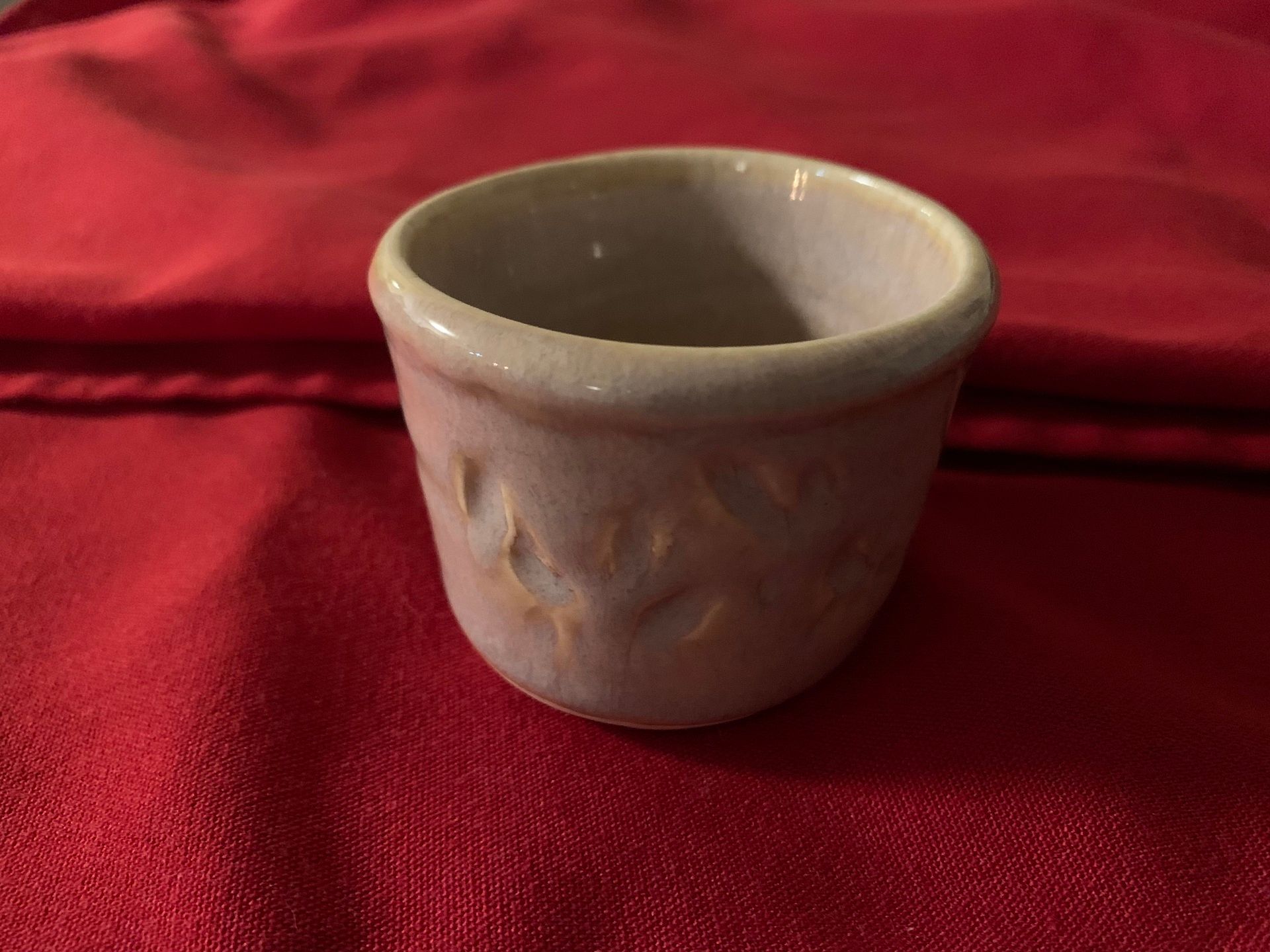
A small ramekin a friend made in a pottery class this year and gave to me.
Today, I want to step back briefly to acknowledge that a lot of people are feeling pretty low these days, because everything seems like a mess. And there are few things I loathe more than false reassurance or inspiration porn. So let me be clear: nearly every aspect of civic life is a disaster right now.
If you’re feeling terrible about it, odd as it may sound, that’s good news. Because the biggest danger right now lies in ignoring what’s happening or becoming numb to it.
So take a moment to recognize that what you’re seeing is real: our government is destroying peoples’ lives and even killing them, in part through random carelessness and much more often through deliberate targeting. It’s destabilizing whole communities. I discuss these facts often here in the newsletter, because I never want to lose sight of the people at home and abroad whom our leaders have cut off from food and medical care, or kidnapped from their families.
For those who say that this is always what the U.S. has done, and point to the camps the country built for Japanese Americans; the massive, hateful, and lethal deportations under Eisenhower; or chattel slavery, Indian removal, and more, it’s not at all that they’re wrong. I just think it’s also important to note each new cruelty, and the ways that the federal (and some state) government has made itself adversarial to the most basic aspects of accountability and democracy.
Paying attention to these new losses is good, in part as a way to come up with strategies to reestablish decency and trust. But it’s also important to mourn what’s being lost.
So many in power would like us to simply move on and forget about the destruction—to ignore the vulnerable and the violence inflicted on them—or to be intimidated by it. They insist on being applauded for the harm they’re doing; they get angry when they’re shunned for their crimes. These murderers want to build their temples on the bones of the dead, to force others to eat ashes and say they taste good.
We don’t have to go along, or forget. We’ll stop what we can. Where it’s too late, we can still record what was done. If you find yourself overwhelmed or in distress, embrace that. It may well mean that you aren’t yet blind, that you have a conscience, that in a time of unbelievable cruelty, you’re choosing instead to be human.
Your paid subscriptions support my work.
Reply